Why journal fit matters
A manuscript can be strong and still struggle if it is submitted to a journal whose scope, audience, and review process do not align with the research. The goal is not simply to publish in the most famous title; it is to publish in the venue where the work will be valued, read, and cited by the right community.
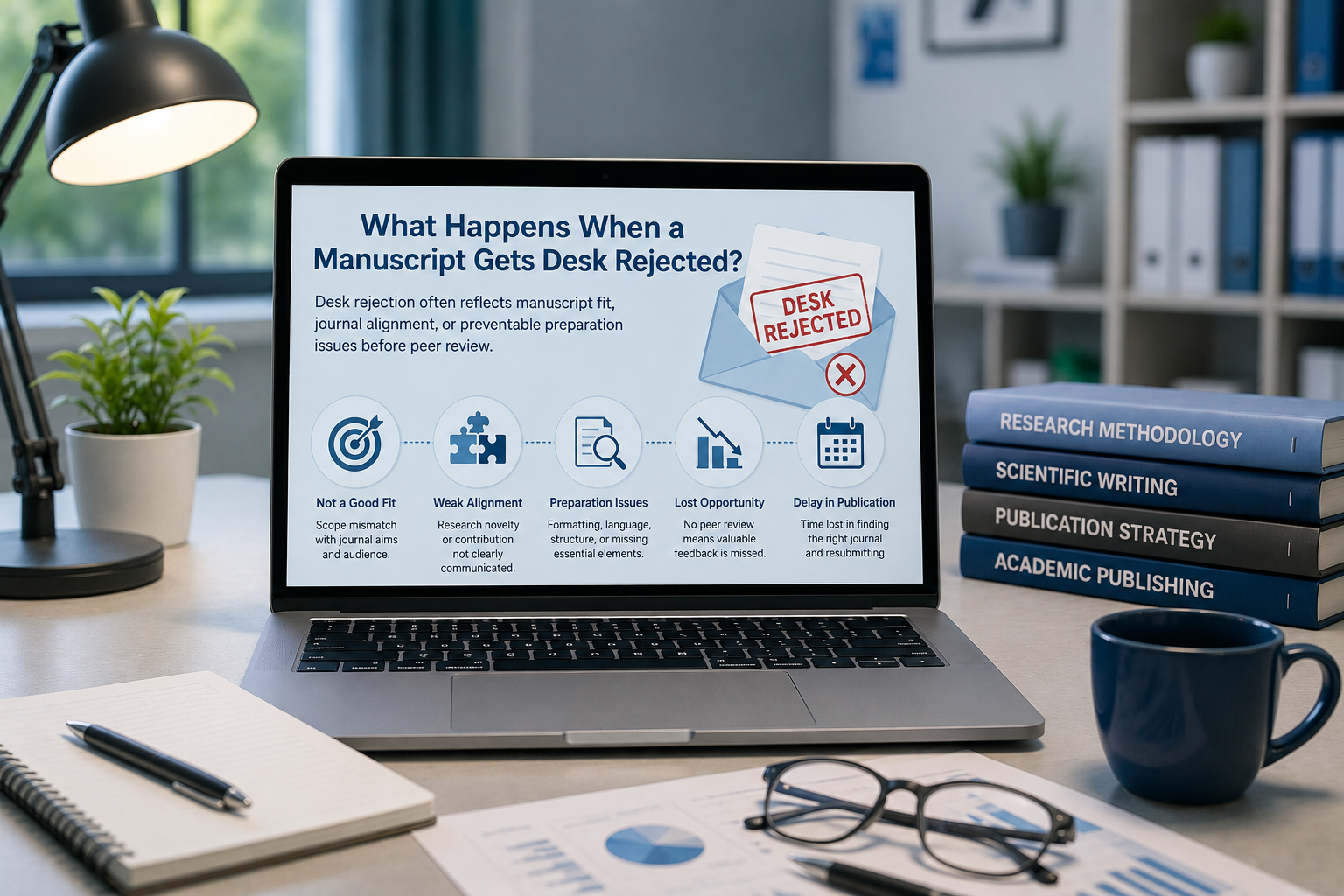
Journal selection should be based on the alignment between your study and the journal's aims, readership, review standards, and publication timeline. This approach improves the likelihood of constructive review and reduces the risk of desk rejection or unnecessary delays.
Key criteria to evaluate
1. Scope and topic alignment
Before submitting, review the journal's aims and scope carefully. Confirm that the topic, methods, and study type match the journal's focus. A clear fit improves editorial interest and helps reviewers understand the manuscript's contribution quickly.
2. Audience and readership
A relevant journal reaches the readers who will benefit most from the work. If the target audience is narrow or highly specialized, a domain-specific journal may provide more meaningful visibility than a broader publication with a less relevant readership.
3. Indexing and credibility
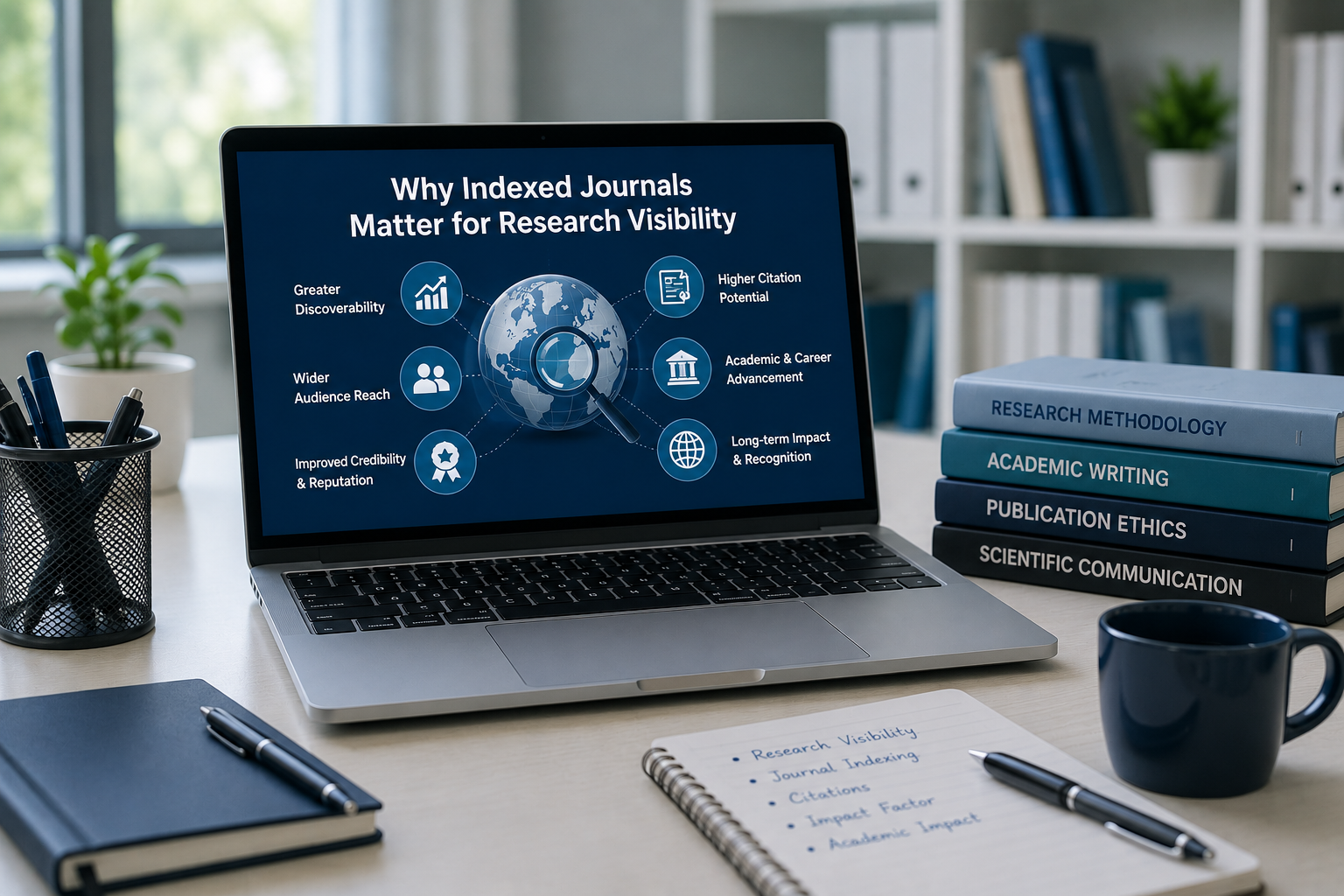
Indexed journals are easier to evaluate for quality, visibility, and discoverability. Indexing in recognized databases helps researchers, institutions, and readers identify credible publication venues and assess citation potential more confidently.
4. Review process and publication timeline
The review trajectory matters. Some journals move quickly, while others have longer editorial processing times. It is important to understand typical review windows, acceptance trends, and revision expectations before choosing a journal.
5. Costs and ethics
Article processing charges, publication fees, and venue credibility should be reviewed early. Ethical and financial transparency are important, especially when balancing journal prestige with a realistic publishing strategy.
A practical journal selection checklist
- Is the journal aligned with your field and methodology?
- Does your manuscript match the journal's recent publications?
- Is the journal indexed in reputable databases?
- What is the typical review process and publication timeline?
- Does the audience match the significance of your findings?
- Are publication fees appropriate and transparent?
Many researchers benefit from creating a short list of 3 to 5 journals, ranked by suitability rather than prestige alone. This allows a more realistic and strategic publication plan while reducing the emotional pressure that often accompanies manuscript submission.
How InnoScientica supports this process
At InnoScientica, our publication support services help researchers identify the most suitable journal for their manuscript, review manuscript fit, improve submission readiness, and prepare a targeted submission strategy. This can be especially valuable for first-time authors, interdisciplinary research teams, and researchers navigating unfamiliar journal requirements.
A thoughtful submission strategy should support your research goals rather than simply chase impact metrics. The best journal is the one where your work is most likely to be understood, appreciated, and cited within the intended scientific community.