Technique Selection
Selecting appropriate laboratory techniques and experimental approaches can be challenging for complex research questions.
Connect study plans with well-organized laboratory workflows and analysis-ready data.
InnoScientica supports researchers with experimental planning, project execution, documentation, and data-generation across various research topics.
Request a Consultation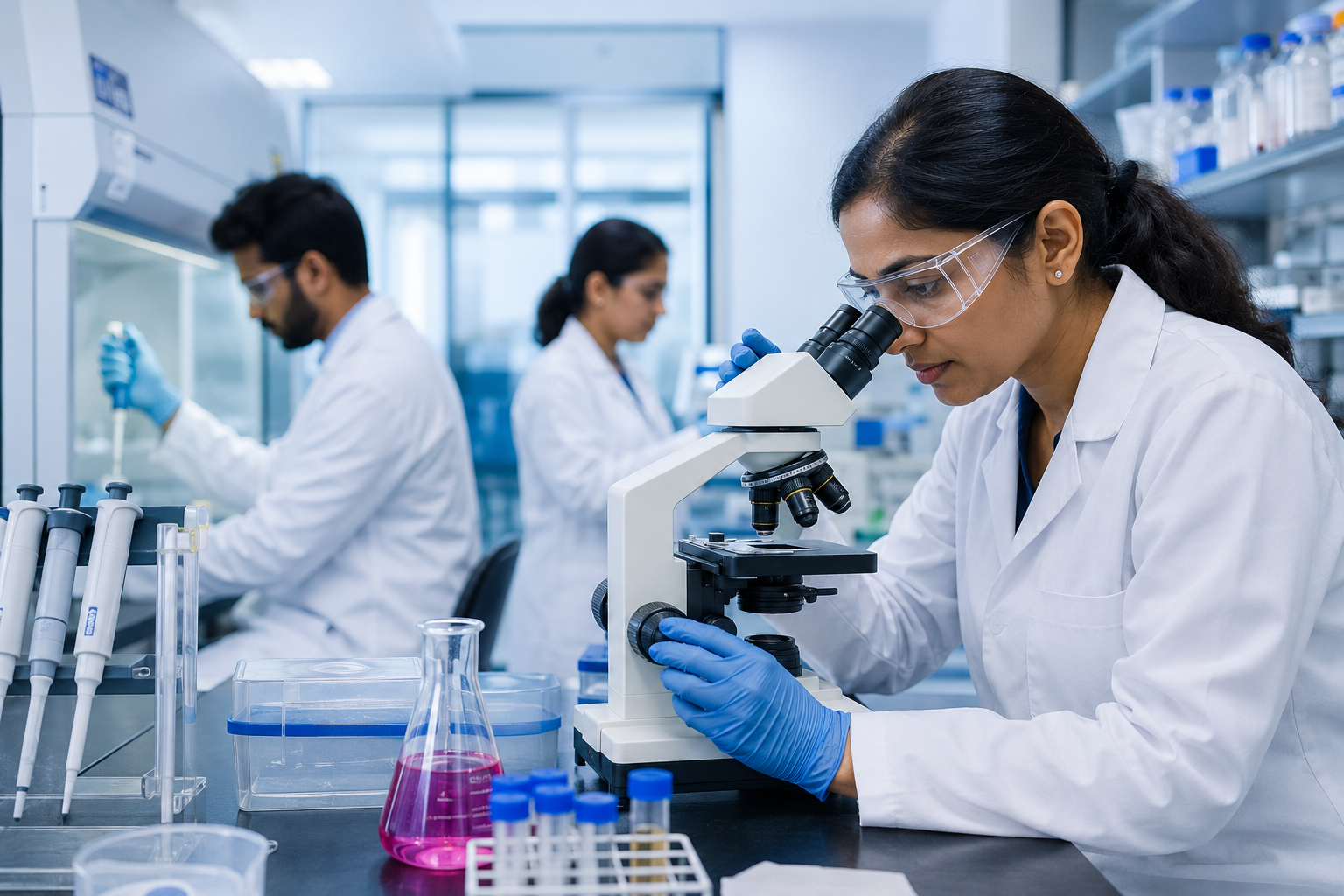
Well-planned and appropriately executed laboratory investigations are essential for generating reliable, reproducible, and scientifically meaningful research data.
Appropriate laboratory approaches, technical expertise, sample processing, documentation, and analytical planning help researchers generate research-ready data and improve consistency, reproducibility, and readiness for statistical analysis, interpretation, publications, and reports.
Laboratory-based research can involve complex experimental requirements, technical limitations, sample-related challenges, and difficulties in generating analysis-ready data.
Selecting appropriate laboratory techniques and experimental approaches can be challenging for complex research questions.
Proper collection, handling, processing, and preparation of samples are critical for reliable results.
Molecular, cellular, biochemical, analytical, and histopathological investigations may require specialized expertise.
Researchers may require support in generating analysis-ready laboratory data.
Variations in experimental procedures and documentation can affect consistency and interpretation of findings.
We provide laboratory research support across multiple experimental and analytical domains, helping researchers translate study requirements into appropriate laboratory investigations and meaningful research data.
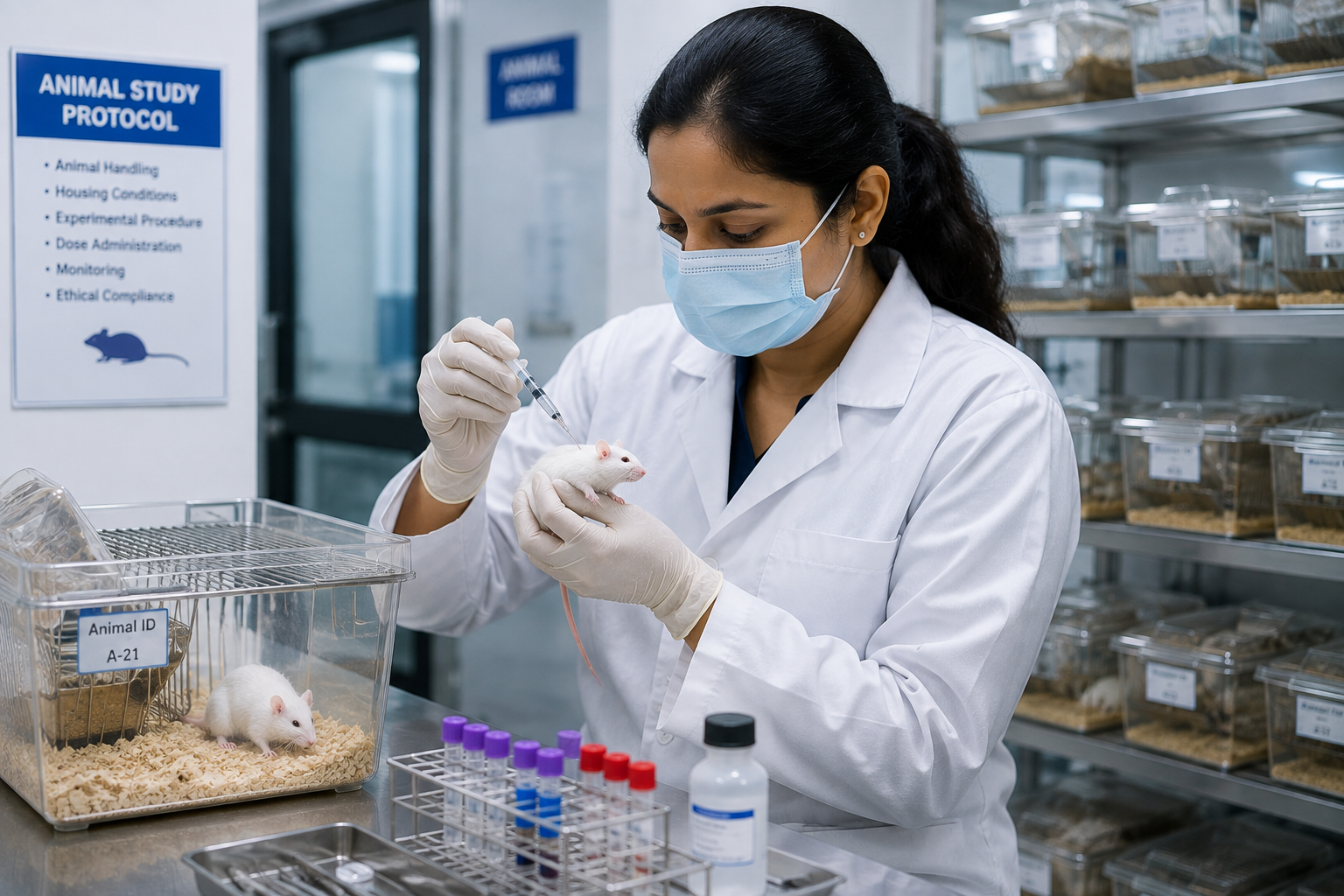
Support for cell culture, primary cell isolation, and relevant cell-based experimental investigations.
DNA, RNA, and protein-based investigations, including PCR, qPCR, Western blotting, and related techniques.
Support for HPLC, LC-MS, ELISA, biochemical markers, and other analytical investigations.
Support for tissue processing, histopathological evaluation, and generation of study-relevant tissue findings.
Support for appropriate sample processing and generation of laboratory data for downstream analysis.
A structured laboratory workflow helps ensure that experimental requirements, sample processing, laboratory investigations, and data generation remain aligned with the research objectives.
Understand the research objectives, study design, samples, experimental requirements, and expected laboratory outputs.
Identify appropriate laboratory and analytical techniques based on the research question and study requirements.
Coordinate appropriate sample processing and laboratory investigations according to the defined research plan.
Generate structured laboratory data and review outputs for completeness, consistency, and downstream analysis readiness.
Support researchers in understanding laboratory findings and connecting experimental results with statistical analysis and research objectives.
Laboratory support is customized according to the research question, study design, sample type, laboratory requirements, and intended research outputs.
Structured laboratory data generated according to the defined research requirements.
Results from cell-based and molecular investigations relevant to the research objectives.
Data from analytical techniques, biochemical markers, and related laboratory investigations.
Findings from relevant histopathological investigations and tissue assessments.
Organized laboratory datasets suitable for statistical analysis, interpretation, reporting, and scientific communication.
Our laboratory support helps researchers strengthen experimental execution, data quality, reproducibility, and the overall scientific value of laboratory-based research.
Support across cellular, molecular, biochemical, analytical, and histopathological research requirements.
Laboratory investigations are aligned with the research question, study objectives, and expected outcomes.
Structured laboratory workflows support consistent and meaningful experimental data generation.
Properly organized laboratory data facilitates statistical analysis and interpretation.
Quality laboratory data provides a stronger foundation for theses, publications, reports, and further research.
These services are often useful alongside Laboratory Support when the research workflow spans planning, execution, analysis, or communication.
Tell us about your study design, sample workflow, laboratory requirements, and expected research outputs.
Talk to Our Team